
Creating a home office that balances comfort and productivity is essential for anyone working remotely or managing tasks from home. A well-designed workspace can boost your focus, reduce stress, and make work feel less like a chore. Whether you have a dedicated room or just a corner of your living space, these tips will help you build a cozy and efficient home office tailored to your needs.
Choose the Right Location
The foundation of a productive home office is its location. Here are some factors to consider when picking your space:
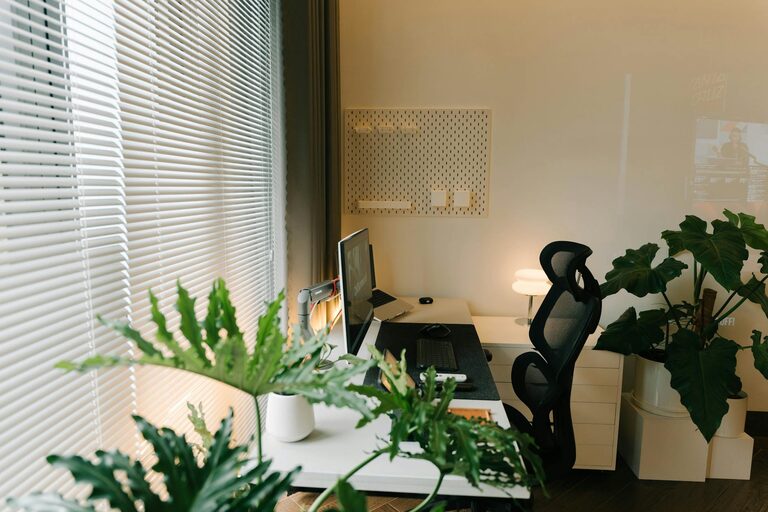
– Natural Light: Position your desk near a window if possible. Natural light improves mood and energy, making it easier to stay alert.
– Quiet Environment: Choose a spot away from household noise, such as appliances or high-traffic areas, to minimize distractions.
– Adequate Space: Ensure there is enough room for your desk, chair, and any additional equipment without feeling cramped.
Select Comfortable and Supportive Furniture
Your furniture plays a big role in your comfort, which impacts productivity.
– Ergonomic Chair: Invest in a chair that supports your back and encourages good posture.
– Adjustable Desk: If possible, use a desk with an adjustable height to alternate between sitting and standing.
– Desk Size and Storage: Pick a desk with enough surface area and storage to keep essential tools within reach but avoid clutter.
Organize for Efficiency
A cluttered workspace can hurt your focus. Keep your home office organized by:
– Using Shelves and Drawers: Utilize vertical space with shelves and use drawers to store papers and supplies neatly.
– Cable Management: Tidy cables with clips or sleeves to prevent tangling and create a clean look.
– Daily Tidying Habit: Spend a few minutes at the end of each workday clearing your desk to start fresh tomorrow.
Personalize Your Space
A friendly, personalized workspace can boost mood and make working from home more enjoyable.
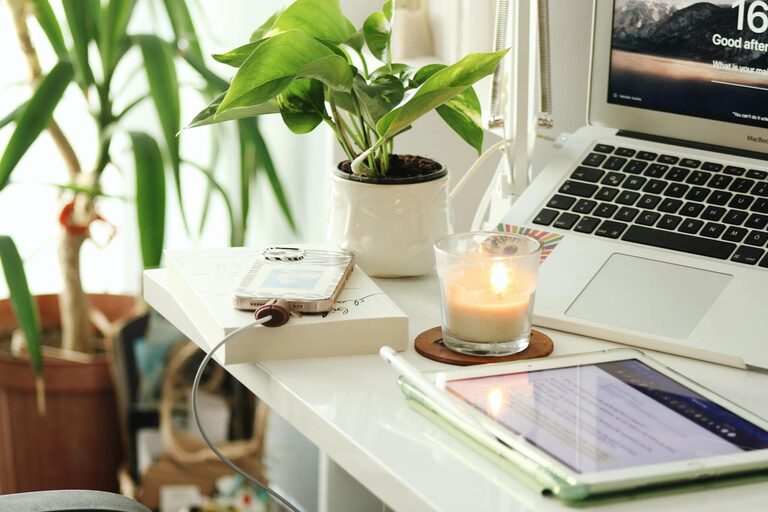
– Add Plants: Greenery can improve air quality and bring a calming vibe.
– Use Inspiring Decor: Choose artwork or photos that motivate or relax you without overwhelming the space.
– Tailor Lighting: Include a desk lamp with adjustable brightness for focused tasks, supplementing natural light.
Optimize Technology and Tools
Technology should help, not hinder, your workflow.
– Reliable Internet Connection: Ensure your internet speed meets your work needs.
– Ergonomic Accessories: Use keyboards and mice designed for comfort.
– Dual Monitors: If your work involves multitasking, consider adding a second screen.
Establish Boundaries and Routine
Creating a mental separation between work and home life helps maintain balance.
– Set Working Hours: Define when your workday starts and ends to avoid burnout.
– Use a Door or Divider: If possible, close a door or use a divider to visually separate your office from living areas.
– Create a Start-Up Ritual: Develop a routine to signal the beginning of your workday, like making a cup of coffee or tidying your desk.
Maintain Good Air Quality and Temperature
Comfort isn’t just about furniture and lighting; air quality and temperature also influence well-being.
– Ventilation: Open windows regularly or use an air purifier if needed.
– Temperature Control: Use fans, heaters, or humidifiers to keep the space comfortable year-round.
Incorporate Movement Opportunities
Sitting for long hours isn’t ideal, so encourage movement.
– Standing Desk Options: Alternate between sitting and standing.
– Stretch Breaks: Set reminders to stand up and stretch every hour.
– Mini Exercise Space: Leave room for light exercises or yoga.
—
Designing a cozy and productive home office is about finding balance. By focusing on comfort, organization, personalization, and boundaries, you create an environment that makes working from home both enjoyable and efficient. Remember, small changes can make a big difference in your daily workflow and overall happiness. Start with one or two tips today, and gradually build your ideal workspace that suits your routines and preferences.