Creating a home office that feels both comfortable and productive is essential for anyone working remotely or running a business from home. A well-designed workspace can improve focus, reduce stress, and make your workday more enjoyable. In this post, we’ll share practical tips to help you set up an ideal home office that suits your needs and lifestyle.
Choose the Right Location
Find a Dedicated Space
Selecting a quiet and separate area for your home office is the first step. This could be a spare room, a corner in your living room, or even a section of your bedroom. Having a dedicated space helps create boundaries between work and personal life.
Consider Natural Light
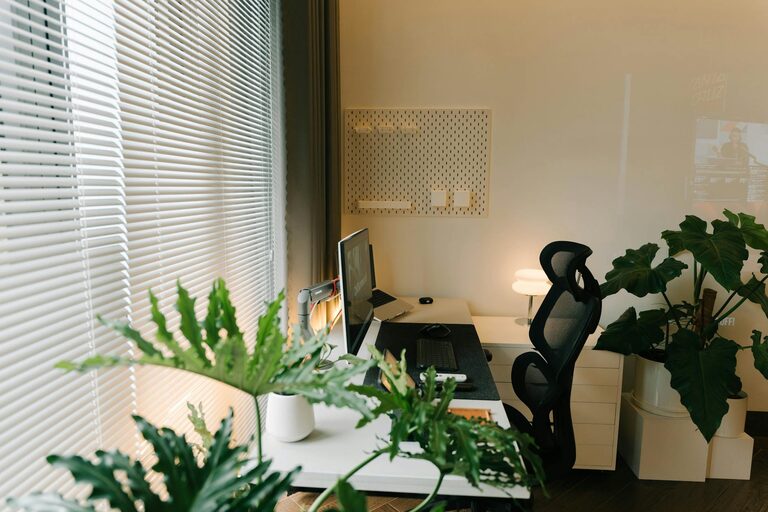
Try to position your desk near a window to benefit from natural daylight. Exposure to natural light can boost mood and energy levels, making it easier to stay focused. If natural light is limited, invest in quality artificial lighting that mimics daylight.
Invest in Ergonomic Furniture
Comfortable Chair
A supportive office chair is crucial. Look for one with adjustable height, lumbar support, and comfortable cushioning. Sitting for long hours is easier when your chair supports your posture.
Functional Desk
Choose a desk that fits your available space and meets your work needs. Whether it’s a simple table or an adjustable standing desk, ensure it allows for comfortable typing and writing without strain.
Organize for Efficiency
Declutter Your Workspace
Keep your desk neat and free of unnecessary items. Clutter can be distracting and make it harder to find what you need. Use drawers or organizers to store supplies out of sight but within reach.
Use Storage Solutions
Shelves, filing cabinets, and boxes can help keep documents and tools organized. Label containers clearly to save time when searching for items.
Optimize Technology Setup
Reliable Internet Connection
A strong internet connection is vital for virtual meetings and online tasks. If needed, upgrade your router or use an Ethernet cable for more stability.
Essential Equipment
Equip your workspace with necessary tools such as a computer, printer, headphones, and a good-quality webcam. Arrange your devices ergonomically to prevent neck and eye strain.
Personalize Your Space
Add Decorative Elements
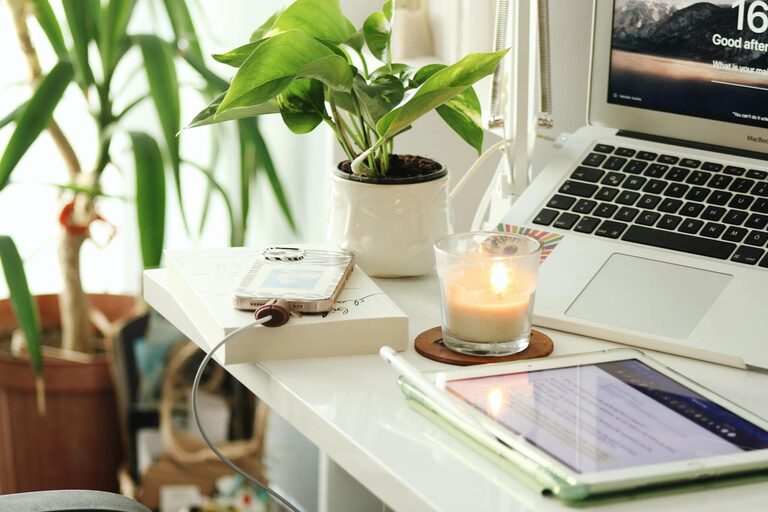
Include items that inspire you, such as plants, artwork, or family photos. Personal touches make the space inviting and motivate you to spend time there.
Use Calming Colors
Choose colors that promote focus and calmness, such as soft blues, greens, or neutrals. Avoid overly stimulating colors that might cause distraction.
Establish a Daily Routine
Set Working Hours
Define clear start and end times for your workday. This helps maintain work-life balance and signals to others when you are available.
Take Regular Breaks
Step away from your desk periodically to stretch, move, or rest your eyes. Short breaks improve productivity and reduce fatigue.
Maintain Good Air Quality and Temperature
Ventilate the Room
Fresh air contributes to alertness and comfort. Open windows regularly or use air purifiers to maintain air quality.
Control Temperature
Keep your workspace at a comfortable temperature. Use fans or heaters as needed, since being too hot or cold can distract from work.
Minimize Noise Distractions
Soundproof Where Possible
If noise is an issue, consider adding rugs, heavy curtains, or acoustic panels to absorb sound. Noise-canceling headphones can also help.
Communicate Boundaries
Inform family or housemates of your work schedule so interruptions are minimized.
Conclusion
Setting up a home office that balances comfort and productivity takes some planning but pays off with better work results and wellbeing. By choosing the right location, investing in ergonomic furniture, staying organized, and personalizing your space, you can create a home workspace that supports your daily tasks effectively. Remember to maintain routines and care for your environment to keep your workday enjoyable and efficient.
With these tips, you’re well on your way to designing a home office that makes working from home both comfortable and productive.